Dubai International City Phase 2: Top Properties for Rental Yield (2026)
Quick Summary: Dubai International City Phase 2 (Al Warsan 4) is a residential sub-district of International City, southwest of the original Phase 1 clusters. As of June 2026, top properties deliver an estimated 7.4–8.7% gross rental yield, slightly below Phase 1’s 8–9.5%, but with newer construction and a more stable, family tenant base. Best for investors prioritizing tenant quality and lower turnover over maximum yield.
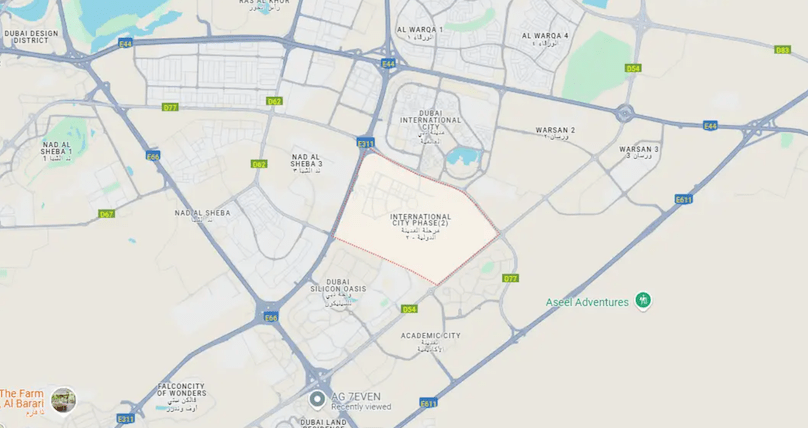
Dubai International City Phase 2, sits southwest of the original Phase 1 country-themed clusters (England, Spain, Italy, and so on, or “Warsan 1”) is a residential sub-district within Dubai’s International City master plan.
Where Phase 1 was designed around dense, low-rise apartment blocks with heavy retail and warehousing nearby, Phase 2 International City (Al Warsan 4) has fewer commercial units mixed in and a layout that reads more like a standard residential community. Here’s the breakdown – starting with the properties that matter most if rental yield is your goal.
Why Invest in Dubai International City Phase 2?
Average Rental Yield: 7.4% – 8.7% Gross ROI
- Phase 2 International City: Newer, quieter, more modern residential and less congestion.
- Affordable Ownership: One of Dubai’s lowest entry-price communities while still producing high rental yields.
- Tenant stability. Phase 1’s tenant base skews toward single working men on shorter leases. Al Warsan 4 attracts more families and professionals on longer-term contracts
- Easy Connectivity: Direct access to E311 and Emirates Road
- Proximity to Key Hubs: Close to Dragon Mart, Dubai Silicon Oasis and Dubai International Airport.
- Blue Line Metro (Expected by 2029): Will greatly enhance connectivity.
👉 See Our Full Guide: Dubai Rental Yield By Community
Compare rental yield % with other top-performing areas like Dubai Marina, Dubai Creek Harbour, Jumeirah Village Circle, and Business Bay.
Top Properties in Dubai International City Phase 2 – Rental Yield 2026
For investors, Al Warsan 4 properties are affordable, rent fast, and attract consistent tenants working in Dragon Mart, Academic City, or International City itself.
1-Bedroom Apartment
| Project | Sale Price* (Last Transaction) AED | Sq.Ft | Service Charge (AED / Sq.Ft) | Avg. Price Per Sqft* (1 Year Change) | Estimated Gross ROI* | |
| 1 | Ritz Residence | 700,000 | 819 | 12.00 | +16.38% | 8.7% |
| 2 | Al Helal Al Zahaby Building 2 | 620,000 | 661 | 9.64 | +19.92% | 8.6% |
| 3 | Olimpico Residences | 800,000 | 890 | 8.54 | +20.12 | 8.4% |
| 4 | Glorious Central Residences | 936,836 | 715 | NA | +7.28% | 8.1% |
| 5 | Equities Apartment | 735,000 | 826 | NA | +2.90% | 8.0% |
| 6 | BNH Tower 3 | 700,000 | 722 | 12.26 | +13.14% | 7.5% |
| 7 | Aamna Residency | 630,000 | 797 | 9.5 | +16.31% | 7.4% |
| 8 | Silver Park Residency | 760,000 | 713 | NA | +3.45% | NA |
| 9 | Nest (Off Plan, Q4 2026) | 752,422 | 694 | NA | NA | NA |
| 10 | Greenfield (Off Plan, Q4 2028) | 948,641 | 666 | NA | NA | NA |
Phase 2 International City vs. Phase 1: The Real Difference
The trade-off is fairly clear from the numbers: Phase 1 clusters edge out slightly higher yields, largely because entry prices there are lower relative to rent. Al Warsan 4 costs a bit more upfront but, in theory, costs less in tenant turnover and maintenance disputes.
| Factor | Phase 2 (Al Warsan 4) | Phase 1 (England, Spain, Italy Clusters) |
| Building age | Newer | Older, original 2003–2008 stock |
| Gross rental yield | ~7.4–8.7% | ~8–9.5% |
| Entry price (1-bed) | ~AED 620K-940K | ~AED 350K–750K |
| Tenant profile | Families, professionals | Higher density, single occupants common |
| Commercial density | Lower | Higher (retail, warehousing nearby) |
| Service charges | Moderate | Lower in some clusters, higher in others |
| Metro access | Blue Line Metro (Expected by 2029) | Blue Line Metro (Expected by 2029) |
Investor Insights: What to Check Before Buying in Dubai International City
Before investing, consider your budget, tenant profile, commute distance, and building upkeep. Here are key factors to evaluate:
1. Service Charges
Expect AED 9–12 per sq. ft. service charges annually, depending on the building’s quality and management. Generally, older or poorly maintained buildings may have lower service charges, but they also tend to attract weaker rental demand and require more upkeep over time.
👉 Tip: Check RERA Service Charge Index on DLD for building service charges.
2. Sewage Smell
Some clusters (like Emirates and Morocco Cluster in Phase 1), sit closer to the Aweer sewage treatment plant, so odour can be noticeable depending on wind direction and unit orientation. Al Warsan 4 sits further from the plant, which is part of why it reads as the quieter, more livable option, but it’s still worth viewing a unit at different times of day before committing.
3. Lack of Public Transportation (until Blue Line opens)
Phase 2 International City is primarily car-dependent, with minimal bus connections. However, the Dubai Metro Blue Line is expected to complete by 2029, which will improve connectivity significantly.
4. Traffic
Because some areas have only one lane for entering and exiting, traffic often builds up at the community’s main access roads. The problem is most noticeable during rush hour, when it contributes to congestion on the E311.
Final Takeaway
Some investors are bettingDubai International City Phase 2 will see stronger capital appreciation than the saturated Phase 1 clusters, on the theory that newer, less dense areas have more room to go upward. If your priority is maximum yield today, Phase 1’s best clusters still edge out Al Warsan 4. If you want a steadier tenant base, newer buildings, and a quieter community, with yield that’s only modestly lower, Dubai International City Phase 2 may be a better fit.
FAQ: Buying Properties in Dubai International City Phase 2
Q: Is Dubai International City Phase 2 a good investment in 2026?
It depends on what you’re optimizing for. Al Warsan 4 offers lower yield than Phase 1 International City (roughly 7.8–8.5% gross versus 9%+), but compensates with a more stable tenant base and newer building stock. If maximum yield is your only criterion, Phase 1 clusters currently outperform it. If you want a steadier, lower-maintenance asset, Al Warsan 4 is the stronger candidate. I’d recommend verifying current yield figures before deciding, as this submarket shifts quickly.
Q: What is the rental yield in phase 2 International City?
Based on the buildings tracked above, gross rental yields in Al Warsan 4 run approximately 7.4–8.7%, led by Ritz Residence, Al Helal Al Zahaby Building 2, and Olimpico Residences.
Q: What’s the difference between Al Warsan 4 and Al Warsan 1?
Al Warsan 1 typically refers to the original Phase 1 International City clusters (older stock, higher density, higher yields). Al Warsan 4 is the newer Phase 2 development with a different tenant profile and lower commercial density. Naming conventions for these zones aren’t always used consistently across portals, so when comparing listings, check the specific building location on a map rather than relying on the cluster name alone.
Q: Does Dubai International City Phase 2 have metro access?
Not currently. The Dubai Blue Line extension is planned to eventually serve this corridor, with an expected completion around 2029.
Q: Is Al Warsan 4 good for families?
Generally yes, more so than Phase 1. Al Warsan 4 has lower commercial and retail density, less through-traffic, and a tenant base that skews toward families and professionals rather than single occupants. It’s not a luxury family destination, but among International City’s sub-areas, it’s one of the more livable options for a family on a budget.
Q: What are the best buildings in Al Warsan 4 for rental yield?
Based on June 2026 PropertyFinder data, Ritz Residence (8.7%), Al Helal Al Zahaby Building 2 (8.6%), and Olimpico Residences (8.4%) currently lead on estimated gross ROI among 1-bedroom apartments. Glorious Central Residences and Equities Apartment follow closely at 8.0%.
