Dubai REIT Dividend Yield 2026: Which Dubai REIT Pays the Most? (updated 2026)
If you are comparing Dubai REIT dividend in 2026, here is the complete picture. There are four publicly listed REITs on the Dubai Financial Market (DFM) and NASDAQ Dubai. They differ significantly in dividend yield, asset class, portfolio size, and distribution frequency.
This article puts all 4 side by side so you can evaluate them against each other, and assess it deserves a spot in your real estate portfolio.
Dubai REIT Dividend Comparison 2026
While no one can control share price swings, dividends are something investors can compare.
| REIT (Ticker) | Managed By | Properties | Portfolio | Market Cap* | Targeted Dividend Yield | Annualized Dividend | Dividend Frequency |
|---|---|---|---|---|---|---|---|
| Emirates REIT (REIT) | Equitativa Group | 11 | Commercial, Education & Retail | 151K | NA | NA | 0 |
| ENBD REIT (ENBDREIT) | Emirates NBD Asset Management | 10 | Commercial, Residential, Education & Retail | 123M | 7% | 8.16% | 1-2x year |
| Al Mal Capital REIT (AMCREIT) | Al Mal Capital | 5 | Education, Healthcare & Industrial | 757M | 7% | NA | 2x year |
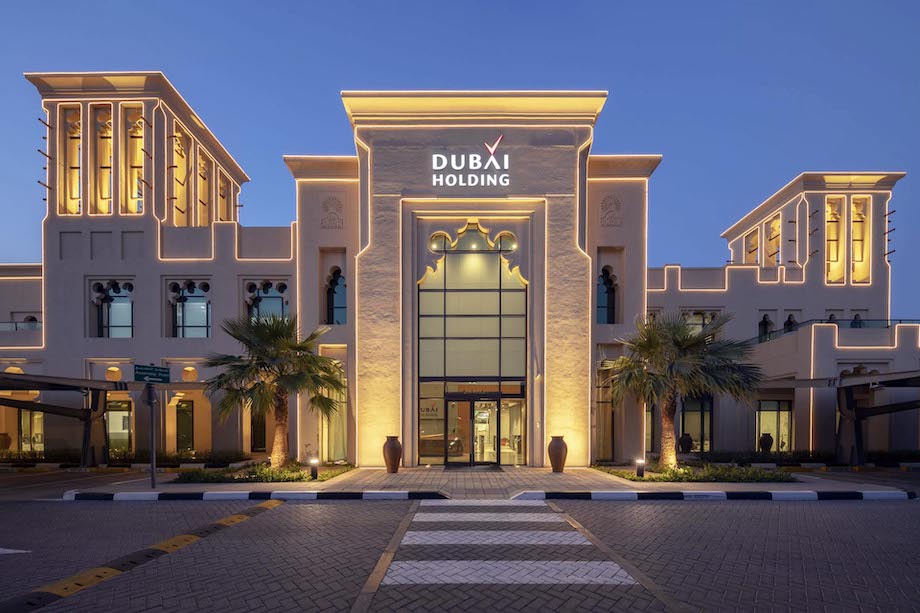
| Dubai Residential REIT (DUBAIRESI) | DHAM REIT Management by Dubai Holdings | 35,000 | Residential | 16.6B | 8% | 7.7% (as of June 2026) | 2x year |
Annualised dividend figures as of June 2026 where noted.
Dubai REIT vs Buying Property Directly in Dubai
Dubai property investors typically choose between two main approaches: buying off plan properties with payment plans to capture capital growth, or buying ready properties that start generating rental income right away.
While such strategies have merit, buying properties directly also pose challenges:
- High Upfront Capital: Cash purchase or 20% down payment
- Long-term Holding: For maximum returns
- Property Management: Requires handling contracts, short term rentals, or local agents
- Vacancy & Repair Risk: Cash flow is affected by tenant turnover or maintenance
- Exit Risk: It may take time to sell
Why Dubai REIT can a Smart Option
REIT addresses many of the challenges above.
| Feature | Dubai REIT Advantage |
|---|---|
| 1. Tax Efficiency | No corporate tax on REIT income and no personal income tax for UAE residents. |
| 3. Diversification | Exposure to thousands of residential units across various segments: premium, affordable, and corporate. |
| 4. Liquidity | Shares are easily bought and sold on the Dubai Financial Market (DFM), unlike physical properties. |
| 5. Low Capital Requirement | Start investing with smaller amounts, no need for 20% down payments like in direct property purchases. |
| 6. Consistent Dividends | REITs like ENBD REIT project annualized yields (~7%) and pay semi-annually. |
| 7. Hassle-Free Ownership | No need to manage tenants, repairs, or lease contracts. Fully passive income stream. |
Dubai REIT – Risks
| Risk Factor | Explanation |
|---|---|
| Market Volatility | REIT share prices can fluctuate, especially after IPO or during market downturns. |
| Capital Risk | A 30% drop in share price may require holding longer to recover your principal investment. |
| Liquidity Risk | Though more liquid than property, shares can still be affected by market sentiment and volume. |
Should You Invest in Dubai Residential REIT?
If your investment goals include:
- Regular dividend income
- Lower upfront capital
- Exposure to Dubai’s residential real estate market without the burden of direct ownership
- Avoiding the hassle of property management
Then Dubai REIT could be a smart addition to your portfolio.
However, if you prefer:
- Full control over your asset
- Long-term capital appreciation from physical real estate
- Customization or value-adding strategies (renovations, vacation lets)
Then buying property in Dubai directly may better suit your strategy.
Conclusion
Your investment approach should align with your priorities: choose direct ownership for control and long-term wealth building, or invest in a Dubai REIT for convenience and flexibility. Both paths offer exposure to Dubai real estate investment, but serve fundamentally different investor needs.
Disclaimer: Home It Better is not your financial advisor or real estate agent. The article here is for informational purposes only, and should not be used as a substitute for advice from a licensed professional.
FAQ: Dubai Reit Dividend
Q: Which Dubai REIT has the highest dividend yield in 2026?
Based on available data as of May 2026, Dubai Residential REIT (DUBAIRESI) targets the highest yield at 7.7%, paid twice yearly. Al Mal Capital REIT (AMCREIT) targets 7%. Always calculate yield based on the price you actually pay on the secondary market, not the targeted figure.
Q: How often do Dubai REITs pay dividends?
ENBD REIT pays 1–2 times per year. Al Mal Capital REIT and DUBAIRESI both pay twice per year. Emirates REIT has not declared a dividend in recent years.
Q: Are Dubai REIT dividends guaranteed?
No. REIT dividends are distributions of rental income and are subject to occupancy, rental levels, debt obligations, and management decisions. Targeted yields are intentions, not guarantees.
Q: How do I buy Dubai REIT shares?
DUBAIRESI, Emirates REIT, ENBD REIT, and AMCREIT are all listed on DFM or NASDAQ Dubai. Any licensed UAE brokerage account with DFM access can purchase units. Non-UAE residents may also be eligible — check your broker’s eligibility requirements.
Q: What is Dubai Residential REIT (DUBAIRESI)?
DUBAIRESI is a publicly listed residential REIT backed by Dubai Holding, managing approximately 35,000 residential units across premium, community, and affordable tiers in Dubai. It listed on the DFM in May 2025 and is the first purely residential REIT in the UAE.
Q: How does DUBAIRESI dividend yield compare to UAE bank deposits?
UAE 12-month term deposit rates were approximately 4–5% in 2024–2025. DUBAIRESI targets 7.7%, representing a premium — but unlike deposits, REIT dividends are not guaranteed and REIT units carry market price risk. Verify current deposit rates with your bank before comparing.
