Branded Residences in Dubai: When the Logo Adds Value – and When It Doesn’t
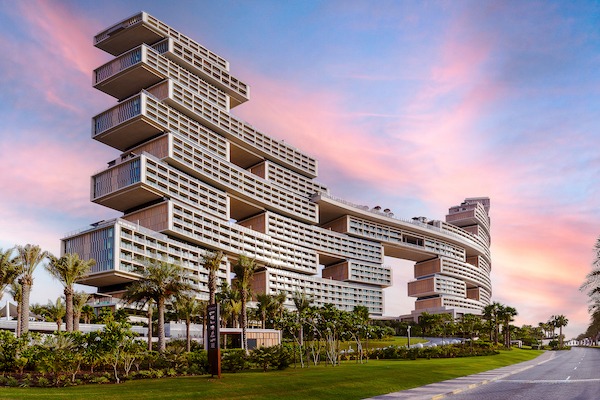
Branded residences have become one of the fastest growing segments in the luxury real estate Dubai market, often commanding a noticeable premium over comparable high-end homes. From fashion houses and watchmakers to automotive and hospitality brands, global names are increasingly attached to Dubai luxury apartments and villa communities.
But for investors, the key question isn’t who’s logo is on the door – it’s what value the brand actually brings.
Is the brand meaningfully shaping the living experience, or is it simply a temporary licensing arrangement layered on top of a developer-led project? And how do branded residences compare with reputable non-branded developers like Ellington and Emaar properties?
In a market as sophisticated as Dubai’s, understanding the difference is critical. This guide breaks down what matters when investing in branded residences, and where buyers should be cautious.
👉 Explore: Top Branded Residences and Their ROI 2026
What Makes a Branded Residence Worth the Premium?
1. Is the Brand Truly Adding Value – or Just Licensing Its Name?
Not all branded residences are created equal.
In many projects, fashion, watch, or automotive brands license their name and logo to the developer for a fixed fee, with little involvement beyond marketing. That licensing cost is typically baked into the purchase price – meaning the buyer ultimately pays for the brand.
Before investing, ask:
- Is this a pure branding/licensing deal, or does the brand influence design, operational, or services?
- Does the brand have operational involvement after handover?
- Are there signature services, interiors, or lifestyle elements tied directly to the brand?
If the brand relationship is largely cosmetic, its long-term impact to resale value and rental performance may be limited.
2. Brand Involvement, Contract Length & Exit Risk
Another overlooked risk is how long the branding agreement lasts.
Licensing agreements typically run for a fixed term. If the brand later decides the project no longer aligns with its image or strategy, it may withdraw its name, leaving the branded residences into a “non-branded” one overnight.
Key Considerations:
- How long does the branding contract last?
- Are renewal terms clearly defined?
- What protections exist for owners if the brand exits?
A branded residence should still stand on its own as a premium asset – even without the brand attached.
👉 Explore: Upcoming Off-Plan Branded Residences Worth Investing (Handover 2026–2031)
3. Developer Quality Matters More Than the Brand
In the luxury residences Dubai market, developer credibility often outweighs brand appeal.
A global brand cannot compensate for:
- Poor construction quality
- Delayed delivery
- Weak post-handover management
Branded residences that command a premium should be backed by:
- A proven delivery track record
- High construction and finishing standards
- Strong long-term property management
Without this fundamentals, the brand premium may not hold over time.
4. Branded Residences vs. Top Non-Branded Developers
Some of Dubai’s most respected developers, such as Ellington and Emaar properties, are effectively brands in their own right.
Their value proposition is built from scratch through:
- Consistently high build quality
- Thoughtful layouts and spatial planning
- Generous ceiling heights and views
- A refined end-user living experience
In these cases, buyers are paying for a proven luxury product rather than a licensed name. For many investors, a well-executed non-branded development can outperform a weakly branded one.
5. Luxury Commodities vs. Luxury Experience
There is an important distinction between:
- Luxury Commodities: watches, cars, fashion
- Luxury Experiences: hospitality, wellness, service-driven living
A watch or automotive logo does not automatically translate into better daily luxury living. In contrast, hospitality-led brands with operational expertise can meaningfully enhance lifestyle through services, amenities, and long-term management.
In real estate, luxury experience drives sustainable value. Luxury commodities alone often may not.
Bottom line
Branded residences can add real value when:
- The brand has meaningful design or operational involvement
- The developer has a strong execution track record
- The living experience is clearly superior to non-branded alternatives
However, when branding is limited to a temporary licensing agreement and marketing appeal, investors should be cautious about paying that premium.
Ultimately, the fundamentals – location, build quality, developer reputation, and end-user experience – matter more than the logo on the door.